



Disputing a Utility Offer? How an Independent Easement Valuation Helps
A letter arrives from an electricity distributor, a water authority or a telco. It wants a strip of your land for a pole, a pipe or a cable, and it comes with a figure. Sometimes the number looks reasonable. Sometimes it looks like someone picked it out of thin air. Either way, you’re left wondering whether it’s fair and how you’d even know.
That’s where an independent easement valuation comes in. It helps explain how an easement may affect your property’s market value, giving you useful evidence to bring to the negotiation. This article explains what an easement is, what goes into a valuation, how to test an offer, and how the easement can affect things later if you sell or transfer the property.
Summary
Utilities often need easements over private land to run infrastructure, and the first offer is rarely the final word. An independent easement valuation estimates how much the easement reduces your property’s market value, based on the size and position of the easement area, what it stops you from doing, and how the land is used. Before accepting an offer, check that the figure reflects the real impact, that the easement description matches the paperwork, and that conditions around access and repairs are spelled out. Get advice from a solicitor and, where the numbers matter, a valuer who understands easements. Don’t sign anything under pressure, and keep copies of everything you receive, because a registered easement usually stays on the title long after the negotiations are over.
What Is an Easement Valuation?
Easements in plain English
An easement is a right that one party holds over land owned by someone else. Utility easements are the most common type you’ll come across. They might give a power company the right to run lines across your backyard, a water authority the right to keep a sewer main under your driveway, or a carrier access to a pit or cabinet on your block. You keep owning the land, but part of its use is handed over to someone else.
What an independent valuation looks at
An easement valuation estimates how much the easement reduces the market value of your property, or of the affected part of it. A valuer will typically consider:
- The size and position of the easement area, and how much of your land it takes up
- What the utility is allowed to do, including access, maintenance and clearing vegetation
- Restrictions on you, such as building over the easement, planting trees or extending fences
- How the affected area was useful before, whether as a garden, a paddock or a potential building site
- Comparable sales of properties with similar easements, where suitable evidence exists
- Any disturbance costs or loss of amenity, depending on the circumstances
A small easement running through the only practical building area can affect value far more than its size suggests, particularly when it affects future subdivision plans. That’s why position matters as much as square metres.
Testing a Utility Offer Against an Easement Valuation
Utility offers are often based on a standard approach rather than the specific details of your land. That doesn’t automatically make them unfair, but it does mean they may not capture the real impact on your property. A few questions will help you check:
- Does the offer describe the exact area the easement covers, with a plan or survey?
- Does it account for restrictions on building, planting or using that part of the land?
- Is there an estimate of the reduction in value for the remaining land, or only a flat payment?
- Does it cover access, reinstatement of the land and repairs for any damage?
- Do the easement terms in the offer match what would actually be registered on the title?
If the answers are vague, ask for clarification in writing. You’re generally entitled to take advice before agreeing, and a reasonable utility should expect that.
How an Independent Easement Valuation Supports Your Position
The process usually runs in a few steps:
- Gather the paperwork. This includes the offer, any plans or survey showing the easement area, your title search and any draft easement documents.
- Define the scope. Be clear about what you want assessed, such as the impact on value of a specific strip, or the effect of the full easement on the whole lot.
- Inspection. The valuer visits the property, measures the affected area and notes how the land is used and laid out.
- Report. The report sets out the estimated reduction in value, the reasoning behind it and the comparable evidence used.
- Negotiate. You can use the report to respond to the utility, or pass it to your solicitor as part of the legal process.
A valuation won’t win every argument, and the utility may have its own valuer. What it does give you is evidence, rather than a gut feeling that the offer is too low.
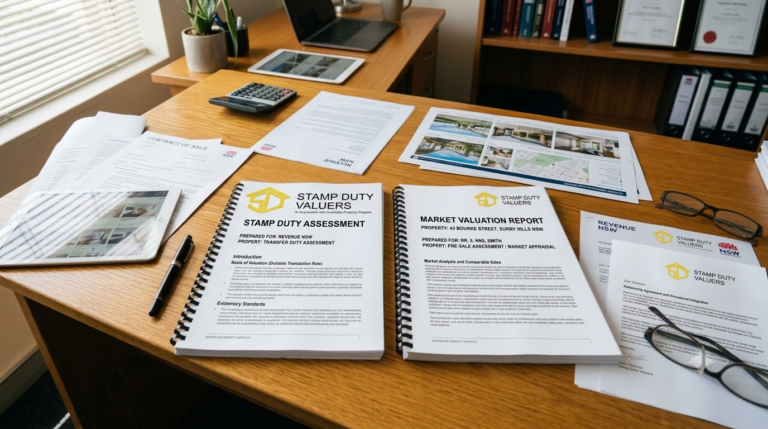
Where Stamp Duty and Property Transfers Come In
Easements don’t only matter while a deal is being negotiated. If you later sell, transfer or restructure the property, the easement still affects its value on paper. In most states and territories, stamp duty is calculated on the dutiable value of the property, which should reflect its market value, including encumbrances such as registered easements. The rules differ between jurisdictions, so check with your state revenue office or a conveyancer.
This is especially relevant in family transfers and related-party transactions. If an easement reduces the value of a property being moved between family members or entities, a valuation that records the easement’s effect helps show the correct dutiable value. It’s also worth asking your accountant how any compensation you receive is treated for tax purposes, because that depends on your circumstances.
Common Misconceptions About Utility Easements
“The offer is take it or leave it”
Many people assume the first figure is final. Often there’s room to negotiate the amount, the conditions or both. How much room depends on the type of easement and whether the utility is acting voluntarily or under statutory powers. In NSW, for example, compulsory acquisition compensation is governed by the Land Acquisition (Just Terms) Compensation Act 1991, which is a different process from a negotiated easement.
“It’s only a small strip, so it won’t matter much”
Size isn’t the whole story. Position, access and restrictions can have a bigger effect on value than the area alone.
“A valuation is only needed if I’m selling”
An easement valuation can help whenever the easement’s impact on your property needs to be measured, whether for compensation, a dispute or a later transfer.
Frequently Asked Questions
Do I have to accept a utility’s easement offer?
Not automatically. Whether you can refuse depends on whether the easement is voluntary or part of a statutory process. Get legal advice before you sign anything.
How much does an easement valuation cost?
Fees vary with the property and how complex the easement is. Ask for a quote that spells out what’s included, such as the inspection, the report and any follow-up.
Can I get a valuation before the utility makes an offer?
Yes. If you’ve heard that a project is planned nearby, an early valuation can help you understand the likely impact before the negotiations start.
Does an easement valuation affect stamp duty?
It can help show how an existing easement affects market value, which matters when a property is transferred. The stamp duty position depends on your state or territory, so confirm the details with your revenue office or conveyancer.
Is the valuation the same as the compensation I’ll receive?
Not necessarily. A valuation estimates the impact on value. The final compensation depends on the agreement reached or the legal process that applies.
Do I need a solicitor as well as a valuer?
In most cases, yes. The valuer assesses the property and the solicitor reviews the legal terms of the easement and any offer.
Conclusion
A utility offer for an easement should be checked, not just accepted. An independent easement valuation estimates how much the easement reduces your property’s value and gives you evidence to back your position. Before you agree, check the exact easement area, the restrictions it creates and the paperwork. And if the property is transferred later, the easement still counts for stamp duty.
Talk to Stamp Duty Valuers
If a utility has put an easement offer in front of you and you want to understand what it really means for your property, Stamp Duty Valuers can prepare an independent easement valuation and explain how it fits with any transfer or stamp duty questions. Call Stamp Duty Valuers on +61 438 080 786 to talk through your situation. Your solicitor can then advise on the legal side of the offer.