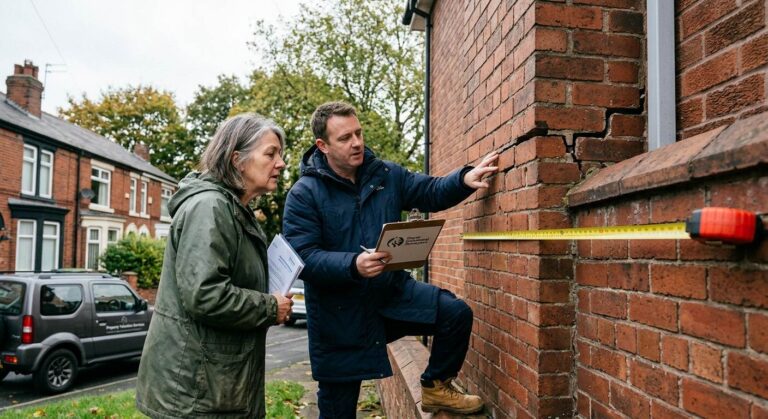




Strata Property Valuation for Penthouses, Duplexes and Townhouses: How Valuers Approach Unique Units
Most strata units are easy to compare. Two bedrooms, one bathroom, a car space and a balcony in a block of forty units usually means plenty of recent sales to work with. Penthouses, duplexes and townhouses are a different story. They come with roof terraces, shared walls, private yards and land that’s shared in unusual ways, and there aren’t always many sales that match.
If you’re selling, buying, transferring a unit to a family member, going through a separation or working out capital gains tax, it helps to understand when a formal strata valuation is needed and how a valuer arrives at a figure for a place like this. This article explains how strata property valuation works for these three property types, which features push the value up or down, and where people often get it wrong.
Summary
Valuers work out the value of unusual strata units by finding comparable sales and then adjusting for the differences. For penthouses, views, size and any exclusive roof or terrace rights usually matter most. Duplexes depend on how the title is set up, whether you own one lot or two, and how the shared wall is dealt with. Townhouses are shaped by their land component, their unit entitlement and the common property around them. Unit entitlement controls your share of levies and voting, but it isn’t a price tag. Before you order a valuation, check the strata plan, the by-laws and any exclusive use rights. These documents often explain the value better than a listing does.
Strata Property Valuation Basics: Why Unusual Units Are Harder to Value
When you buy a strata unit, you own a “lot” (the airspace inside the walls, as defined on the plan) plus a share of the common property, such as hallways, lifts, gardens, the roof and the driveway. The building is run by an owners corporation (NSW, Victoria, WA and SA) or a body corporate (Queensland), which looks after the shared areas and collects levies.
A strata property valuation estimates what your lot and the rights attached to it would sell for on the open market, at a given date.
What a valuer is actually looking at
A valuer usually considers:
- The lot itself: floor area, layout, condition, natural light and outdoor space
- Rights attached to the lot: exclusive use areas, car spaces, storage cages
- Your share of the land and common property: worked out through unit entitlement or land area
- Location and building quality: views, aspect, street, noise, age and standard of the building
Why standard methods need tweaking
Most residential valuations rely on the sales comparison approach. The valuer finds recent sales of similar properties and adjusts them for the differences. With a standard two-bedroom unit, the adjustments are small. With a penthouse or a duplex, there may be only one or two genuinely similar sales, so the valuer widens the search to nearby buildings and makes larger adjustments. That’s why two valuers can land in slightly different places on a unique property. The reasoning matters more than the exact number.
How Valuers Work Out the Value of a Penthouse, Duplex or Townhouse
The process usually follows four steps:
- Confirm the title and the strata plan. The valuer needs to know exactly what you own, including whether a roof space, courtyard or garage is part of the lot.
- Find comparable sales. The best comparables are recent, in the same building or street, and similar in type, size and layout.
- Adjust for differences. Each comparable is adjusted up or down for things like views, outdoor space, condition and rights attached.
- Cross-check the result. For rented properties, the valuer may look at rental evidence as a check, though it doesn’t usually set the market value on its own.
Finding comparable sales that actually match
A penthouse with a 60-square-metre roof terrace shouldn’t be compared directly with a mid-level unit that has no outdoor space at all. Good comparables are those that share the key features: the same building type, similar land share, and similar views and outdoor areas. When there isn’t a close match, the valuer explains the adjustments clearly so you can see how they got there.
Penthouses: Views, Roof Terraces and Exclusive Use Rights
Penthouses are usually the top-floor units in a block. They often have larger floor areas, better views and more natural light than lower units, and that’s why they often sell at a premium. But the premium depends heavily on what comes with the unit.
Roof terraces and exclusive use
A roof terrace is one of the most valuable features a penthouse can have, but only if the owner can actually use it. Check the by-laws to see whether the terrace is an exclusive use area. If it is, the owner can use it to the exclusion of other lot owners, and a valuer will usually treat it as a major feature.
If the terrace is common property that every owner can access, the value picture changes. Your use of it may be limited, so the premium is smaller.
Here’s a simple illustration (this is a hypothetical example, not a real sale). Two top-floor units in the same building have similar layouts. One has a private roof terrace under an exclusive use by-law. The other has access to a shared rooftop garden. The first unit is likely to be valued higher, because the owner has private outdoor space that’s theirs to use.
Roof space and layout
Some penthouses include the roof space above the top floor, and some have internal stairs to a mezzanine or loft. Whether that space is part of the lot matters a lot. If it’s not on the strata plan as part of your lot, it can’t be treated as part of your property, no matter how it looks.
Duplexes: Two Homes, One Shared Wall
A duplex can be set up in a few different ways, and the setup changes how it’s valued:
- Two lots in one strata plan: Each half is a separate lot with its own unit entitlement, and both sit under the same owners corporation.
- Two separate titles: The land has been subdivided, and each half is a freehold title with its own shared wall arrangement, often with an easement or party wall agreement.
- Part of a community scheme: The duplex sits within a community title development, with its own community association and rules.
Which arrangement applies affects how the valuer treats the property, what’s included in the value and what you can and can’t do with it.
Valuing one half
If you own one half of a duplex, the valuer looks at your lot (or title) on its own. They’ll consider the layout, condition, outdoor space, car parking and how the shared wall is built, including any sound or privacy issues. The other half is only relevant as part of the local market, not as part of your property.
Rent and development potential
If one half is tenanted, the rent is useful market evidence, but it doesn’t usually change the market value of the property. Valuers also don’t usually value development potential, such as the chance to subdivide or add a granny flat, unless you ask for that specifically and provide the supporting information. Those are separate questions, and mixing them into the market value can confuse buyers, lenders and the ATO.
Townhouses: Land, Common Property and Community Schemes
Townhouses sit somewhere between a house and a unit. They usually have a small private courtyard or yard, shared driveways and gardens, and a shared wall or walls with neighbours. Their value depends on the land they sit on, even though that land is shared.
How the land is measured
For a strata townhouse, your share of the land is usually reflected in your unit entitlement, as set out in the strata plan. For a townhouse in a community scheme, the land may be described differently, such as a lot with a defined boundary and a share of community property.
This is where a lot of confusion starts. A townhouse with a large unit entitlement doesn’t automatically have a large block. Likewise, a small townhouse can come with a generous private yard that adds real value. The valuer looks at the lot, the yard and the land share together.
Things that affect townhouse value
- Private yard or courtyard: Usually a positive, especially if it’s exclusive use and gets good sun.
- Garage or car space: Lock-up garages are often valued more highly than open car spaces.
- Aspect and privacy: A north-facing townhouse on a quiet street is often more appealing than one that backs onto a busy road.
- Owners corporation or body corporate health: Levies, sinking funds, building maintenance and any special levies can all influence buyer interest.
- Building age and condition: Older townhouse blocks may need external work that buyers will think about.
Unit Entitlements Explained (and Why They Don’t Set the Price)
Unit entitlement is a number or ratio recorded in the strata plan. It usually determines your share of:
- Strata levies (paid to the owners corporation or body corporate)
- Voting rights at general meetings
- Your share of the common property
Each state uses slightly different terms. In NSW, the Strata Schemes Development Act 2015 sets out how unit entitlements are worked out and recorded in the schedule of unit entitlement. Victoria uses lot entitlement and lot liability, Queensland uses lot entitlement under the Body Corporate and Community Management Act 1997, and WA and SA use unit entitlement under their own strata titles legislation. The details differ, so check the rules that apply in your state.
The common misunderstanding
People often assume that a higher unit entitlement means a higher market value. That isn’t how it works. Unit entitlements are generally set when the plan is registered, usually to reflect the relative values of the lots at that time, or to reflect the size and features of each lot. They can be out of date, and they don’t take into account the premium a penthouse view or a private courtyard can add.
A valuer may look at unit entitlement as one piece of evidence for land share, but it doesn’t decide the value by itself.
Features That Move the Value Up or Down
Here’s a quick guide to the features that most often affect the value of unusual strata properties, including how unplanned building repairs affect property value. The effect in the table is a general pattern, and the real impact depends on the market and the property.
| Feature | What the valuer checks | How it typically affects value |
| Exclusive use roof or terrace | By-laws, size, access, condition | Usually a strong positive |
| Shared roof or garden access | Who can use it and how | Often neutral or a smaller positive |
| Views and aspect | Quality, permanence, sun access | Can be a major positive; permanence matters |
| Car spaces and storage | Number, location, secure or open | Secure, covered parking tends to add more |
| Shared walls | Sound, privacy, construction | Poor sound separation can reduce value |
| Building age and condition | Maintenance, external finishes | Deferred maintenance can be a negative |
| Levies and sinking fund | Size, special levies, planned works | Heavy upcoming costs can reduce buyer interest |
| By-law restrictions | Pets, short-term letting, renovations | Strict rules can limit buyer pool |
| Title type | Strata, community or freehold | Affects what’s included and how it’s sold |
Common Misconceptions About Strata Property Valuation
“A bigger unit entitlement always means higher value.” Not necessarily. Unit entitlement is a share of costs and voting rights, not a price.
“Council valuations show the market value.” Council land valuations are used for rates and aren’t the same as a market value. They can be quite different from what a property would sell for.
“A penthouse sells like any other large unit.” Penthouses are often valued on their outdoor areas, views and exclusive use rights, which means the comparables and adjustments are different.
“The strata plan tells you the value.” The plan shows boundaries, lot numbers and entitlements. It doesn’t show what the property is worth, so you’ll still need evidence from the market.
“Townhouses are houses.” Legally, a strata townhouse is a lot in a scheme, not a freehold house on its own block. That affects the valuation, the paperwork and what you can do with the property.
When You’ll Need a Strata Property Valuation
People usually order a valuation for one of these reasons:
- Buying or selling, especially when the price needs to be supported, or the sale isn’t a straightforward open-market transaction
- Transfers between family members or related parties. In many states, if the transfer isn’t at arm’s length, stamp duty may be assessed on market value rather than the price paid. The rules vary between states, so check with your state revenue office or an adviser before you rely on any figure.
- Family law property settlements, where an independent value is needed for each asset
- Capital gains tax, particularly if a former home becomes a rental property and the first income-producing use market-value rule applies; depending on the circumstances, a retrospective valuation may be required.
- Estates, including deceased estates and the distribution of assets
- Disputes with an owners corporation or body corporate, where the value of a lot is relevant
It’s worth knowing that insurance replacement valuations are a different thing. An insurance valuation estimates the cost to rebuild, not what the property would sell for. People sometimes mix them up, and the numbers can be very different.
What Happens During a Strata Valuation Inspection
Most strata valuations follow a similar process. Here’s what to expect:
- Documents: The valuer will usually ask for the strata plan, by-laws, schedule of unit entitlement and title details. They may also ask for the strata minutes, levy history, building reports and approvals for any renovations.
- Inspection: The valuer inspects the inside of the lot, plus any roof terrace, courtyard, car space or storage you own. They may also look at the common property you’ll use day to day, such as the lift and entry.
- Report: The report sets out the market value, the valuation date, the comparable sales, the adjustments and any assumptions. The valuation date matters, because values can change over time.
Make sure you get the documents to the valuer early. Missing by-laws or unclear exclusive use rights are one of the most common reasons a strata valuation takes longer than expected.
Frequently Asked Questions
Is a penthouse always worth more than a unit on a lower floor?
Not always. Top-floor units often attract a premium, but the difference depends on the view, size, outdoor space and whether the roof terrace is private. A poorly maintained penthouse in a tired building may be worth less than a well-kept mid-level unit with good views.
Does a townhouse valuation include the land?
Yes, but indirectly. The value reflects your lot and the share of land and common property that goes with it. The land isn’t valued as a separate block in the way a freestanding house would be.
How is a duplex valued if I only own one half?
The valuer looks at your half as its own lot or title, including the shared wall and any exclusive areas. The other half matters as part of the local market, not as part of your property.
Is unit entitlement the same as land value?
No. Unit entitlement is a ratio used for levies, voting and common property. It can be used as a guide to land share, but it doesn’t set the market value of the lot.
Do I need a strata property valuation for stamp duty?
Not always. Stamp duty is usually based on the price paid for a standard arm’s length sale. But if a transfer isn’t at arm’s length, duty may be based on market value, so a valuation can be needed. Check your state revenue office’s rules before you decide.
What documents should I gather before a strata valuation?
Gather the strata plan, by-laws, schedule of unit entitlement, title search, recent strata minutes and levy statements. If you’ve done renovations, bring any approvals or certificates you have.
Conclusion
Strata property valuation for penthouses, duplexes and townhouses comes down to the details: what’s part of your lot, what rights you have over shared areas, and what similar properties have actually sold for. Unit entitlement, title type and the by-laws matter as much as the floor plan, and a valuer’s job is to weigh all of them.
If you’re working through a valuation for one of these properties, get the strata documents early and ask the valuer to explain their adjustments. A clear understanding of the reasoning will serve you far better than a single number.
Need Help with a Unique Strata Property?
If you’re transferring a penthouse, duplex or townhouse and need an independent valuation for stamp duty, or your unit has features that make the value hard to pin down, Stamp Duty Valuers can talk it through with you. Call Stamp Duty Valuers on +61 438 080 786 for a no-pressure chat about what you need.